
Bed Head Panels and Storage Units- The Overlooked Essentials of Ward Design

Bed Head Panels and Storage Units- The Overlooked Essentials of Ward Design

Most planning conversations around hospitals focus on the OT itself, leaving ward fixtures as an afterthought. Yet a hospital storage unit paired with a well-designed bed head panel quietly shapes how smoothly daily patient care actually runs.

What a Bed Head Panel Actually Does
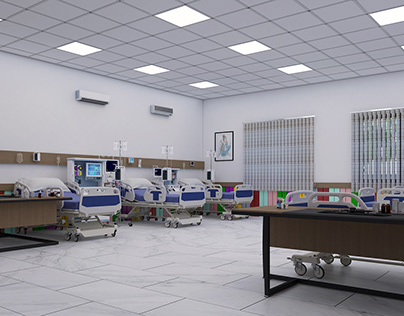
Hospital Ward

A bed head panel sits directly behind every hospital bed, housing oxygen outlets, power sockets, and nurse call systems in one compact unit. It puts essential connections within easy reach of both patients and the nursing staff attending to them.

  • Why This Small Fixture Matters So Much

During an emergency, every second spent searching for an oxygen point or call button genuinely counts. A properly designed panel keeps these connections accessible instantly, without staff fumbling around a cluttered wall.

Why Storage Units Deserve More Attention

Wards run on supplies, and honestly, where those supplies live affects how smoothly a shift plays out. This part of ward design rarely gets discussed.

Organized Storage Supports Better Patient Care

A properly planned hospital storage unit keeps medications, linens, and instruments sorted. Nurses end up spending less time hunting for supplies and more time with patients, where it actually matters.

How These Fit into Broader Ward Design

Both fixtures play a quiet, supporting role within a complete operation theatre modular system and the wards built around it. Getting their placement right at the planning stage saves hospitals from costly rework once a ward is already functioning.

FAQs

Why does bed head panel placement matter so much?

Because it directly affects how fast staff can reach oxygen, power, or emergency alerts when it counts most.

Can storage units be added to an existing ward later?

They can, though planning them alongside the operation theatre modular system from the start usually gives better space efficiency overall.

Do these fixtures affect infection control?

To some extent, yes, enclosed and organized storage cuts down clutter, which makes cleaning the ward genuinely easier.

Conclusion

Bed head panels and storage units rarely get much attention, yet they quietly shape ward efficiency every single day. So, planning them early makes a real, lasting difference to patient care.

Best Modular OT in India: The Ultimate Guide to Contemporary Operation Theatre Solutions

Over the last decade, healthcare infrastructure has expanded at an unprecedented rate, with hospitals relying more and more on modern technology to enhance surgical results and patient safety. The modular operating theatre is one of the most significant advances in this change. The best modular OT in India with precision manufactured components and advanced infection control technologies to provide a safe, sanitary and efficient surgical environment.

Hospitals, multispeciality healthcare centers, speciality clinics and surgical facilities need to make a crucial choice of choosing the finest modular OT in India. A good design of modular operation theatre helps in conducting complicated surgeries, better workflow, less maintenance and meets the strict criteria of healthcare.

Core Elements of a Modern Modular OT

A modular operation theatre is a collection of several connected systems working together to provide safe surgical operations. Wall panels are often manufactured from durable and easy-to-clean materials which are resistant to the development of microbes. Seamless flooring avoids seams where impurities might be collected. False ceilings allow for lighting, ventilation and service utilities.

Many of these systems have the best modular OT as their core management unit. It enables healthcare personnel to monitor and regulate medical gas alarms, room pressure, lighting intensity, temperature, humidity, operational timers, communication systems and other critical operating theatre tasks from one easy place.


Future Trends in Operation Theatre Modular Technology

Healthcare technology is still moving at a fast pace, resulting in more sophisticated operating theatre surroundings. The smart modular OTs now have digital monitoring systems, automatic environmental controls, remote diagnostics, and integrated hospital information systems.

AI and data analytics are likely to enhance equipment monitoring, predictive maintenance and surgical workflow management. Energy-efficient HVAC systems, touchless controls and sophisticated infection prevention technologies are also becoming typical elements in contemporary healthcare facilities.

Summary


The OT control panel should be chosen on the basis of simplicity of use, display clarity, monitoring capabilities and interoperability with other integrated hospital systems. User-friendly user interfaces lessen the need for training and improve operational efficiency during surgery.

Economics of Surgery: How Modular Operating Theatres Save Money

Surgery costs a lot of money, but smart planning can quickly change that. There are ways to cut costs in hospitals these days that don’t hurt care. This is where portable operating rooms really shine. The components are easy to assemble and it functions efficiently. Through clever mechanisms, better controls and reduced waiting time it would reduce hospital costs and speed up patients flow with higher safety.

Less expensive and faster setup

It is much faster to set up a portable operating room than a regular one. This means hospitals spend less on building and hiring people to do the work. A dependable modular operation theatre company guarantees fast delivery with little trouble, which helps hospitals start treatments faster and make more money more quickly.

A Better Way to Use Energy

Hospitals spend a lot of money on their energy bills. Power consumption is lower in modular systems. Smart lights and air flow cut down on waste. A modern OT control panel helps keep the room safe and within safe temperatures and air quality levels.

Simple to fix and add on to

There can be a long and expensive amount of work to refurbish older theatres. Modular setups allow for replacement of parts readily. Hospitals can make changes to processes without having to close down the whole area. Systems that are easy to keep and save money over time are designed by a skilled modular operation theatre company.

Less likely to get an infection

When places are clean, problems are less likely to happen. It’s impossible for germs to spread through modular walls and covered surfaces. Close monitoring of conditions by the OT control panel keeps cleanliness standards high and cuts down on the cost of extra care.

Design that is flexible and scalable

As hospitals get bigger, their needs change too. It’s easy for modular theatres to get bigger. This gives people the freedom to escape having to redo everything from scratch, which saves a lot of money in the long run.

Conclusion

Modular operating theatres balance cost and care. These contribute to the successful and efficient development of the hospitals, particularly when working with reliable bodies, such as the Creative Health Tech organization.